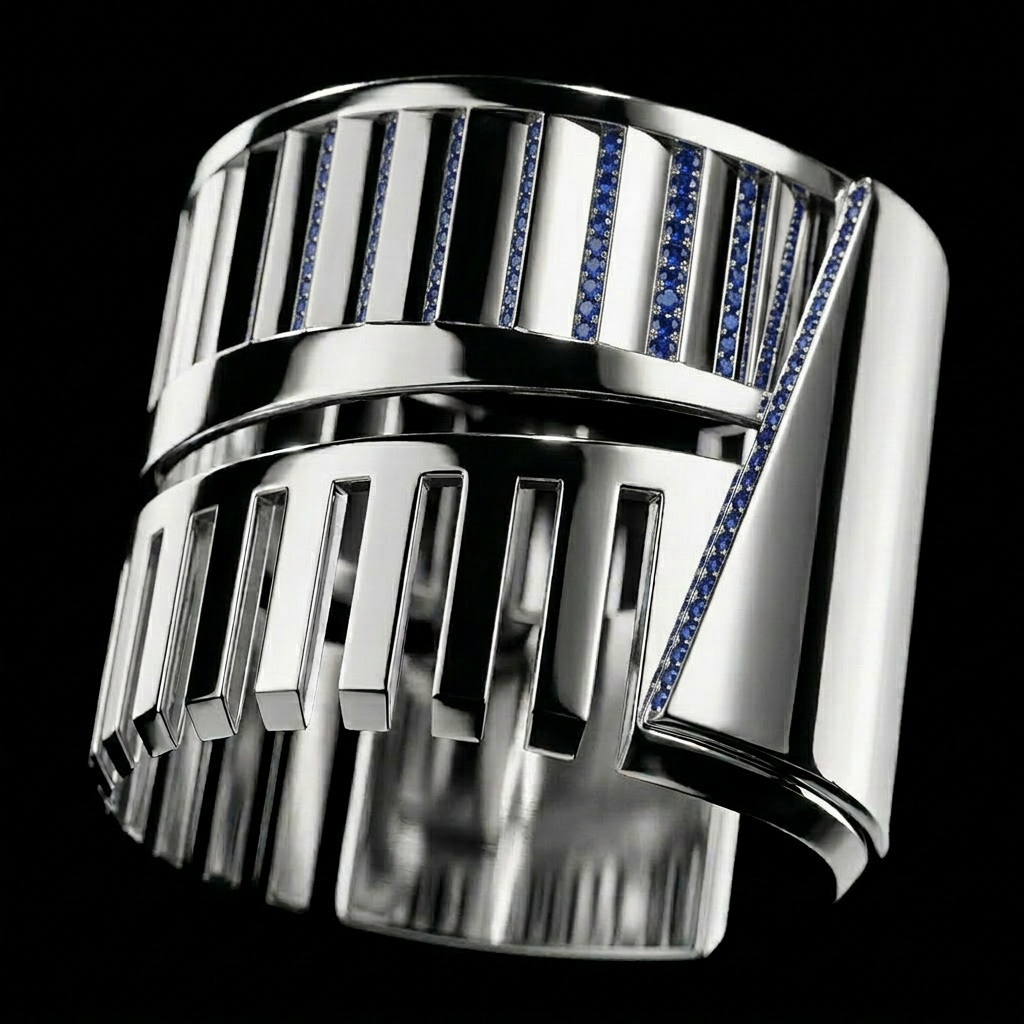
sculptural jewelry
Jewelry defined by form, proportion, and structure rather than ornamentation.
Sculptural jewelry is conceived as an object first, where volume, line, and material presence take precedence over decoration.
It represents a shift within modern jewelry toward form-led design rather than ornamentation.
What defines sculptural jewelry
Sculptural jewelry departs from traditional codes of embellishment. Instead of relying on symbolism or surface detail, it focuses on the integrity of the object itself. Within contemporary and minimalist jewelry, this approach emphasizes structure over decoration.
Its defining characteristics are:
Form-led design — built around geometry, curvature, and volume
Material presence — metal is treated as a surface, not just a support
Structural clarity — every line serves a purpose
Form over ornament
Historically, jewelry has been driven by decoration—stones, engravings, and symbolic motifs. Sculptural jewelry takes a different approach.
It reduces elements to what is essential. What remains is not minimalism for its own sake, but precision.
This shift reflects a broader evolution in how luxury is perceived: from accumulation to discernment, where fewer, more intentional statement pieces replace traditional layering.
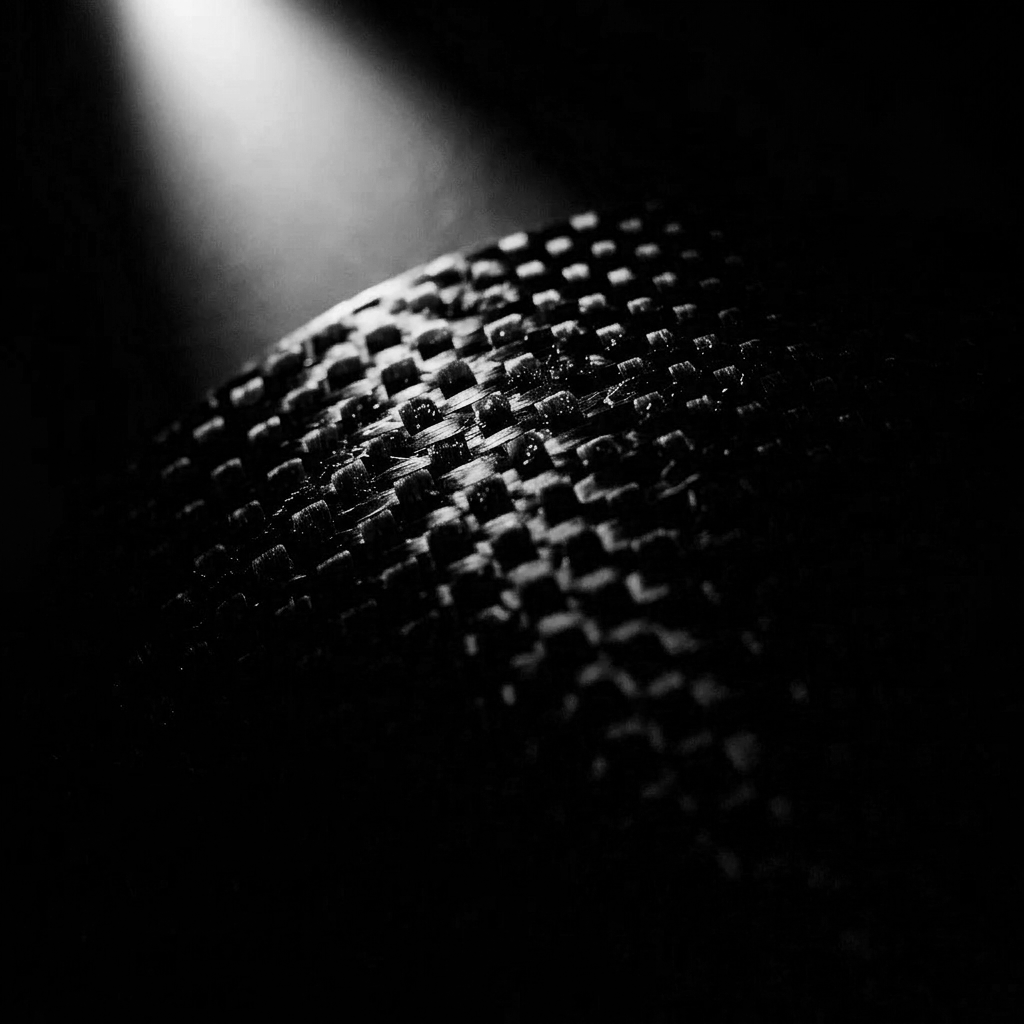
Materials and influence
In sculptural jewelry, material is not secondary—it is central.
Metals are selected and finished to express depth, contrast, and tactility. Matte surfaces, oxidized treatments, and controlled reflections allow the form to emerge more clearly than highly polished finishes.
Sculptural jewelry often draws from architecture and industrial design, where proportion, balance, and precision define the object.
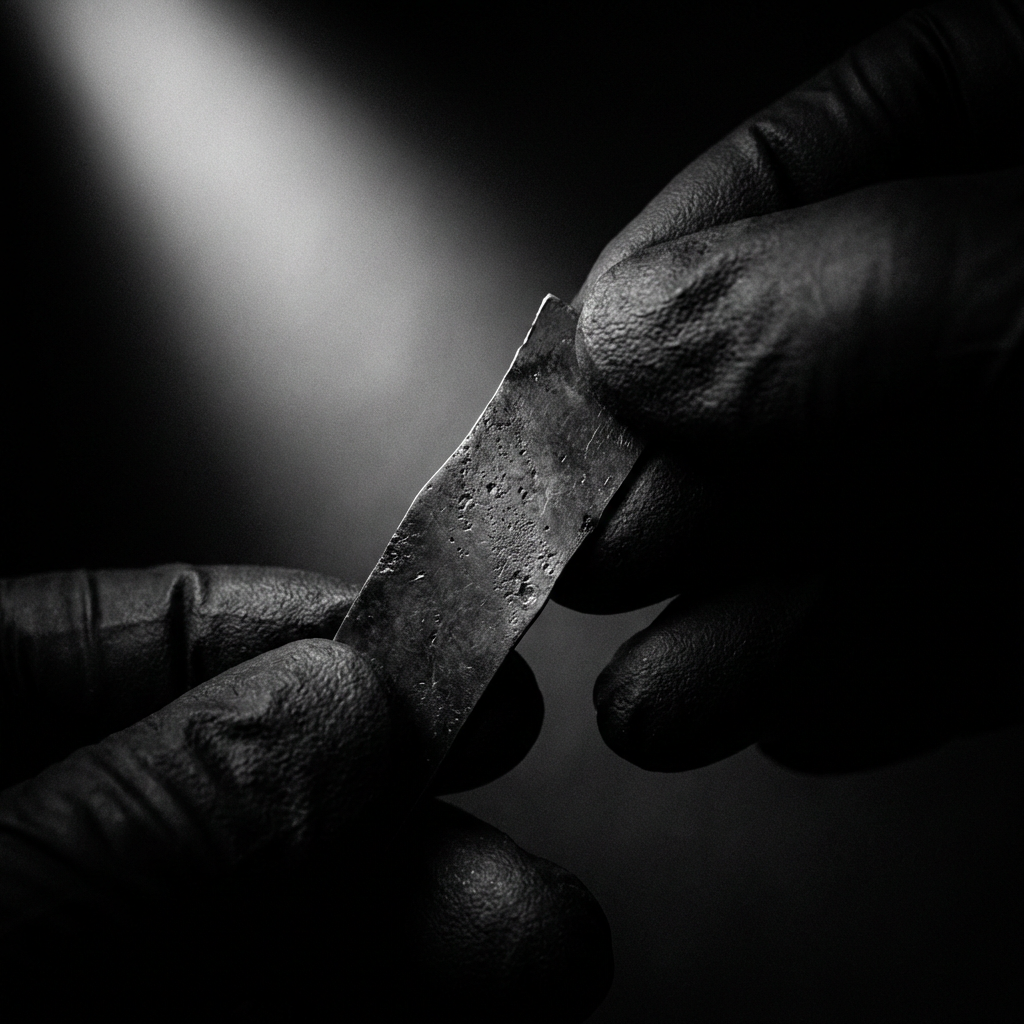
Why it matters
The rise of sculptural jewelry reflects a shift in consumer behavior.
There is an increasing preference for fewer, more intentional pieces. Particularly within modern and minimalist jewelry, the preference is for objects that hold visual weight without excess.
In this context, sculptural jewelry occupies a distinct space within modern luxury.
-
A: Jewelry designed around form, volume, and structure rather than decorative elements.
-
A: Traditional jewelry emphasizes ornamentation; sculptural jewelry emphasizes shape and material.
-
A: Yes, when crafted with precious materials and high-quality finishes.
-
A: Many cuffs are inherently sculptural due to their continuous form and structural presence.
-
A: It overlaps with minimalist jewelry but places greater emphasis on form and structure rather than reduction alone.
Atelier CPII explores sculptural jewelry through cuffs defined by structure, proportion, and material precision.